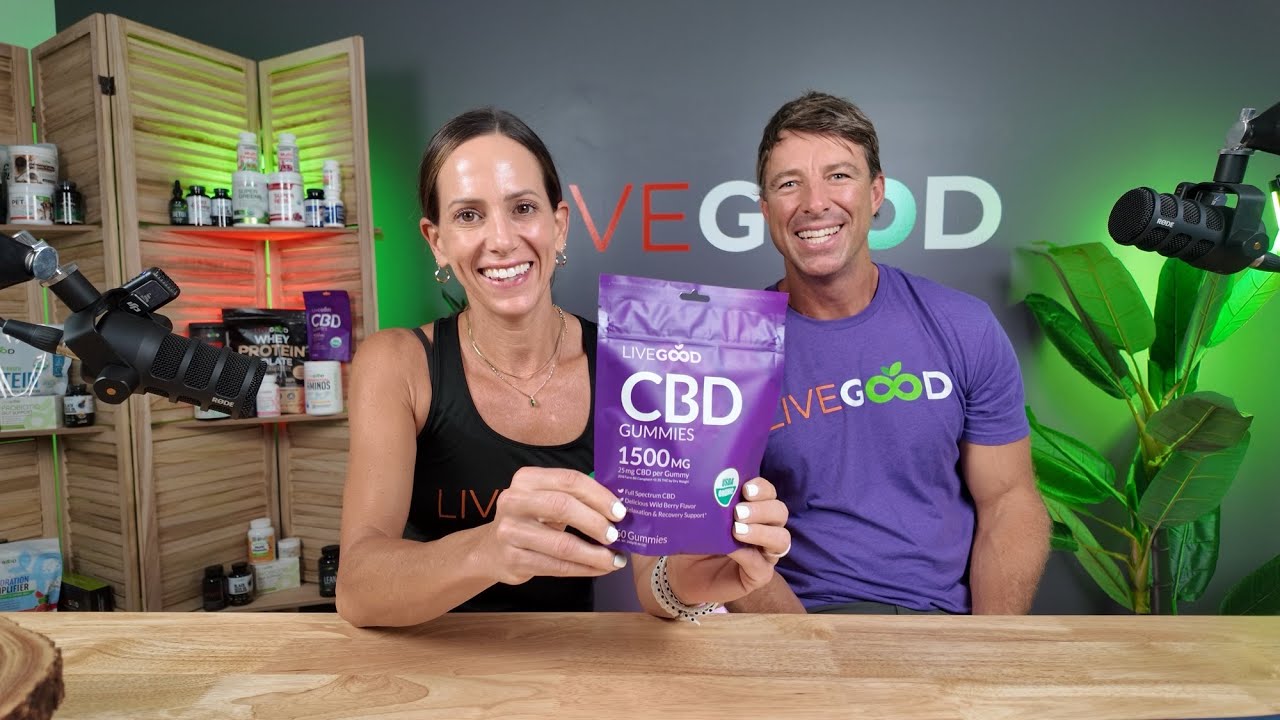
You may feel unsure which cannabinoid fits your needs, and LiveGood – CBN vs CBD is here to help you sort through the noise by explaining what CBD and CBN are, how they differ chemically, and how those differences translate into effects you might notice. The tone stays practical and compassionate so you can make a calm, informed choice that suits your health goals.
The article outlines key sections: chemical profiles, therapeutic uses and side effects, recommended dosing considerations, and tips for choosing products and reading labels, with the LiveGood video used as a clear visual guide. By the end, you should feel more confident recognizing which compound aligns with your priorities and what questions to ask before trying a product.

What Are CBD and CBN?
Definition of cannabidiol (CBD)
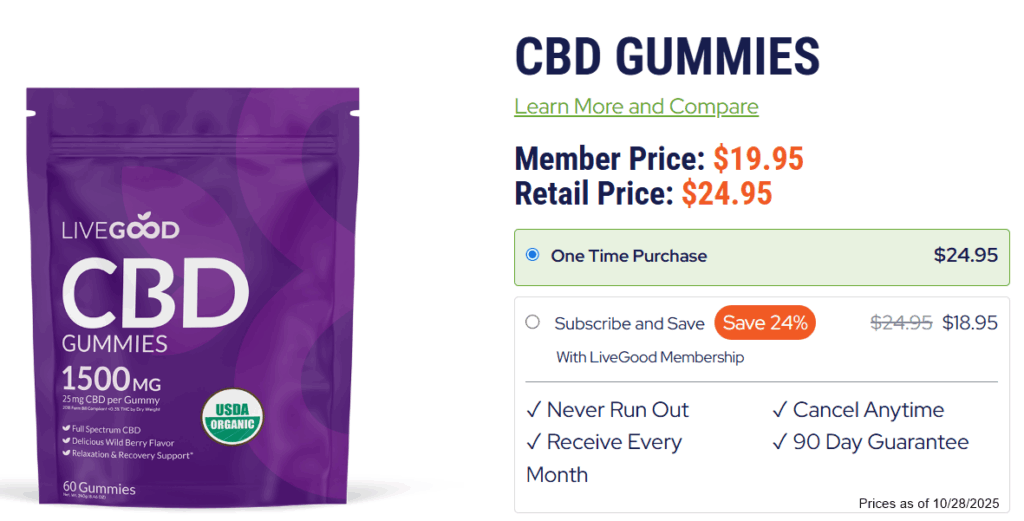
You’ll often see cannabidiol (CBD) described as one of the major non-intoxicating cannabinoids found in Cannabis sativa. Clinically and popularly, CBD is used to refer to the compound that does not produce the “high” associated with THC. You may hear it promoted for relief from anxiety, pain, inflammation, and certain seizure disorders because it interacts with many biological systems beyond the classic cannabinoid receptors.
Definition of cannabinol (CBN)
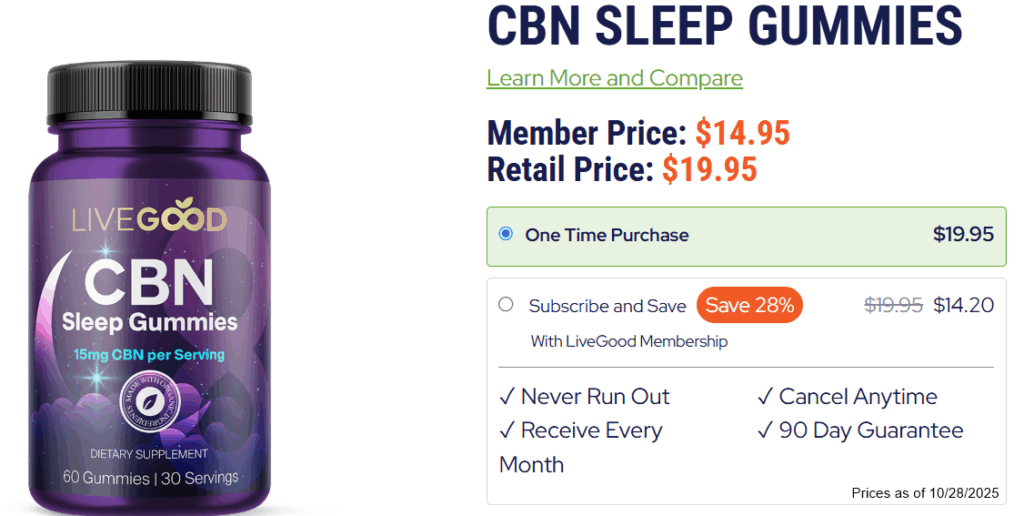
Cannabinol (CBN) is another cannabinoid, but it’s far less familiar to most people than CBD. CBN is typically described as a mildly sedating cannabinoid that forms when THC oxidizes and breaks down. It has been marketed especially for sleep support and mild sedation, though human clinical evidence is limited compared with CBD.
Sources: hemp, cannabis, and degradation
Both CBD and CBN come from the cannabis plant family — hemp and marijuana are varieties of Cannabis sativa. CBD is abundant in many hemp cultivars that are bred for low THC and high CBD content. CBN is usually present at much lower concentrations in fresh plant material and tends to appear as a degradation product when THC is exposed to air, heat, or light. That means you can find CBN in aged cannabis or in products where THC has oxidized, and many manufacturers also synthesize or concentrate it from hemp extracts.
Historical discovery and basic background
You might find it reassuring to know that cannabinoid chemistry has been studied for over a century. CBN was actually identified in the late 1800s as a degradation product of THC-like compounds; its precise chemical characterization came later. CBD was isolated in the early 20th century and its structure clarified in mid-20th-century research, with more detailed pharmacology emerging in the last few decades. The scientific understanding of these compounds has moved rapidly, but the depth of human clinical data differs markedly between them.
Chemical Structure and Pharmacology
Molecular structure differences between CBD and CBN
If you look closely at their molecules, CBD and CBN differ in ring structure and saturation. CBD has a di-phenolic structure with a flexible open ring that contributes to its broad interactions with many receptors. CBN, by contrast, is a product of THC oxidation and has a more rigid, aromatic-like ring system. Those structural differences influence how each molecule fits into receptors and enzymes in your body.

How structural differences influence activity
Because CBD’s structure is flexible, it acts more like a “molecular multitool,” interacting with many targets loosely rather than strongly binding to CB1 or CB2. That helps explain its diverse effects. CBN’s structure gives it different binding characteristics — it tends to have mild agonist activity at cannabinoid receptors and may better fit certain receptor pockets that influence sedation and inflammation. Structural differences therefore underlie why CBD is broadly modulatory while CBN may show more niche effects, like potential mild sedation.
Metabolism and half-life considerations
You should be aware that CBD undergoes extensive liver metabolism, primarily through cytochrome P450 enzymes (notably CYP3A4 and CYP2C19), which influences its half-life and interaction potential. Oral CBD’s half-life in most studies is measured in hours to a day and can vary with dose and formulation; repeated dosing or formulation changes can extend apparent half-life. CBN’s pharmacokinetic profile is less well characterized in humans; available data suggest it’s metabolized by similar hepatic pathways but detailed half-life and metabolite data are limited. Because of these uncertainties, you should expect variability in onset and duration and consider how formulation will change those characteristics.
Implications for formulation and stability
You’ll notice manufacturers pay attention to formulation because both cannabinoids are sensitive to light, heat, and oxygen. CBD can oxidize and lose potency over time, and THC’s oxidation into CBN is an example of how storage conditions change cannabinoid profiles. Stable formulations use antioxidants, opaque packaging, and temperature control to preserve potency. If you’re choosing products, you’ll want to look for information about third‑party testing, recommended storage, and expiration to make sure what you buy maintains expected levels of CBD or CBN.
Mechanism of Action in the Endocannabinoid System
Interaction with CB1 and CB2 receptors
You may have heard about CB1 and CB2 receptors — they’re the classic cannabinoid receptors. CBD has low direct affinity for these receptors and often modulates them indirectly (for example, as a negative allosteric modulator of CB1 in some contexts). CBN shows low-to-moderate affinity as well and can act as a weak agonist at CB1 and CB2. Neither compound typically produces the strong psychoactive CB1 activation associated with THC, but their receptor interactions still influence physiology, particularly through modulation rather than direct, strong activation.
Non-cannabinoid targets (TRP channels, GPR receptors, adenosine)
You’ll find that CBD interacts with many non-cannabinoid targets: TRP channels (like TRPV1), the serotonin 5-HT1A receptor, adenosine signaling pathways, and orphan G-protein-coupled receptors such as GPR55. These interactions contribute to CBD’s effects on pain perception, inflammation, anxiety, and neuroprotection. CBN also engages with TRP channels and may act at other non-cannabinoid receptors, though the profile is less comprehensively mapped. The diversity of targets helps explain why these compounds can have broad physiological effects beyond traditional cannabinoid activity.
Influence on neurotransmitter systems (GABA, glutamate, serotonin)
If you’re trying to understand how CBD and CBN change mood and sleep, it helps to know they influence major neurotransmitter systems. CBD can enhance GABAergic tone indirectly, modulate glutamate transmission, and activate serotonin 5-HT1A receptors — mechanisms that plausibly underlie anxiolytic and anticonvulsant effects. CBN’s sedative reputation may relate to modulation of GABA and other inhibitory systems, but direct human data are limited. Overall, their neurotransmitter effects are often indirect and context dependent.
Potential role in the entourage effect when combined with other cannabinoids and terpenes
You might hear the term “entourage effect” — the idea that cannabinoids and terpenes work together to create effects greater than any single compound. CBD and CBN may both contribute to such synergistic effects when combined with THC, other minor cannabinoids, and terpenes like myrcene or linalool. While this concept has practical appeal and preclinical support, the exact combinations, doses, and clinical relevance require more rigorous human study. Still, you may notice different subjective effects from full-spectrum products versus isolates, which is consistent with entourage hypotheses.

Therapeutic Effects and Common Uses
Evidence for CBD: anxiety, pain, inflammation, epilepsy, neuroprotection
You’ll find the strongest clinical evidence for CBD is in certain forms of epilepsy — Epidiolex (a pharmaceutical CBD product) is FDA-approved for Lennox-Gastaut and Dravet syndromes based on randomized controlled trials showing meaningful seizure reduction. For anxiety, there are promising small trials and experimental studies (notably for social anxiety), but larger controlled trials are limited. Preclinical and some clinical data support anti-inflammatory and analgesic potential, but pain studies show mixed results and often rely on heterogeneous products and dosing. Neuroprotective effects are an active area of research, with animal data promising but human evidence still emerging.
Evidence for CBN: sleep support, mild sedation, potential pain relief
You may be curious about CBN’s sleep claims — most human evidence is anecdotal or from small, uncontrolled studies. Animal and in vitro data suggest sedative and analgesic properties, and some early human product studies report improved sleep when CBN is combined with other cannabinoids or terpenes. However, rigorous randomized clinical trials in humans are sparse, so you should view CBN’s sleep support claims as provisional and promising rather than definitive.
Overlapping uses and where they differ clinically
Both CBD and CBN are discussed for pain and sleep, but their clinical profiles differ. CBD has broader evidence, especially for seizure disorders and some anxiety indications, and is used widely for inflammation and chronic pain with mixed results. CBN is primarily promoted for sleep and mild sedation, with less evidence supporting other uses. Clinically, you might choose CBD when you want a compound with a broader safety and evidence base; you might consider CBN if you’re specifically seeking sleep-related effects and are comfortable with more limited data.
Emerging areas of interest (skin health, appetite, antibacterial properties)
You may see CBD and, to a lesser extent, CBN explored for novel uses. CBD has anti‑inflammatory properties relevant to dermatology, and topical CBD products are marketed for acne and eczema with some supportive preclinical data and limited clinical trials. CBN and certain cannabinoids have shown antibacterial activity in laboratory studies, and cannabinoids can influence appetite in animal models, but translating these findings into safe, effective human therapies will require more research. These are interesting directions, but they remain experimental for now.
Scientific Evidence and Research Quality
Overview of preclinical (animal and in vitro) studies for CBD and CBN
You’ll find many preclinical studies showing biological plausibility for both compounds — anti-inflammatory, analgesic, anxiolytic, neuroprotective, and antiseizure effects in cell and animal models. These studies are valuable for understanding mechanisms and guiding human research, but they don’t guarantee similar outcomes in people because dosing, metabolism, and complexity of human biology differ.
Summary of human clinical trials and their limitations
When you look at human trials, CBD has more robust evidence in some areas (notably epilepsy) but still faces limitations: small sample sizes, varying product quality, inconsistent dosing, and short follow-up periods. For CBN, human trials are few and generally small or uncontrolled. Many studies don’t use standardized, third‑party–tested products, which complicates interpretation. You should interpret promising findings cautiously until confirmed by larger, well-controlled trials.
Gaps in the literature and needed research
You may feel frustrated by the gaps: optimal dosing ranges for many conditions, long-term safety data, head-to-head comparisons of cannabinoids, and characterization of interactions with other drugs need rigorous study. You’ll also benefit from standardized product formulations and larger randomized controlled trials that include diverse populations and clinically relevant endpoints.
How to interpret study quality, sample size, and study design
When you read studies, pay attention to design: randomized, double-blind, placebo-controlled trials provide the most reliable evidence. Small sample sizes can produce misleading results or fail to detect real effects. Open-label or observational studies can suggest safety signals or hypotheses but can’t prove efficacy. You should weigh the strength of the evidence, consistency across studies, and relevance to your personal situation.
Safety Profile and Side Effects
Common adverse effects reported with CBD and CBN
You may experience common side effects with CBD such as drowsiness, dry mouth, gastrointestinal upset, diarrhea, and changes in appetite or weight. CBN’s most frequently reported effect is sedation or drowsiness; other adverse effects are less well documented. Both compounds are generally tolerated at commonly used doses, but individual responses vary.
Known risks, rare severe events, and long-term safety data
There are known risks, particularly with high-dose or long-term CBD use. Elevated liver enzymes have been observed in some clinical trials, especially when CBD is combined with other medications. Severe adverse events are rare but possible, and long-term safety data remain limited. For CBN, long-term safety profiles are not well established, so caution and conservative dosing are prudent.
Special populations: children, elderly, pregnant or breastfeeding individuals
You should be especially careful in special populations. For children, CBD is prescribed in pharmaceutical form (Epidiolex) for certain epilepsies under medical supervision; using over-the-counter products in children is not recommended without medical oversight due to dosing, purity, and interaction concerns. Elderly individuals may be more sensitive to sedative effects and drug interactions. Pregnant or breastfeeding people should avoid cannabinoids unless advised otherwise by a clinician because of unknown developmental risks and limited safety data.
Considerations for liver metabolism and lab monitoring when needed
Because CBD is metabolized in the liver, you may need liver function monitoring if you use high doses or have preexisting liver disease. If you’re taking medications that affect liver enzymes, periodic lab checks can help ensure safety. Discuss monitoring with your healthcare provider, especially for prolonged or high-dose use.
Drug Interactions and Contraindications
CBD and CBN effects on cytochrome P450 enzymes
You’ll want to know that CBD is a known inhibitor of several cytochrome P450 enzymes, notably CYP3A4 and CYP2C19, which can raise blood levels of drugs metabolized by these pathways. CBN likely shares some interaction potential because of similar hepatic metabolism, but it’s less well studied.
Medications with high interaction risk (anticoagulants, anticonvulsants, antidepressants)
Certain medications are high-risk for interactions. Anticoagulants like warfarin and anticonvulsants such as clobazam and valproate can have altered levels when combined with CBD; for example, CBD can increase clobazam’s active metabolite, affecting sedation and seizure control. Some antidepressants and benzodiazepines may have additive sedation when combined with cannabinoids. If you take these or other critical medications, consult your provider before trying CBD or CBN.
When to consult a healthcare provider before use
You should consult a healthcare provider before starting CBD or CBN if you’re on prescription medications, have liver disease, are pregnant or breastfeeding, are elderly, or have complex medical conditions. A clinician can help assess interaction risks, suggest appropriate monitoring, and guide dosing.
Managing polypharmacy and monitoring strategies
If you manage multiple medications, your clinician may recommend baseline liver tests, drug level monitoring (where applicable), and gradual dosing with close follow-up. Keep a medication list and inform all your providers about any cannabinoid use so interactions can be managed proactively.
Legal Status and Regulatory Considerations
US federal framework: hemp-derived vs marijuana-derived cannabinoids
You’ll find that in the U.S., the 2018 Farm Bill removed hemp (defined as cannabis with <0.3% thc) from the controlled substances act, which made hemp‑derived cannabinoids more widely available. however, fda still regulates products making therapeutic claims, and marijuana-derived remain federally illegal. this framework creates a patchwork where many hemp-derived cbd cbn are sold but not fda-approved for most health claims.< />>
State-by-state variations and practical implications for consumers
States have their own rules. You should check local laws because some states restrict or regulate cannabinoid products differently, affecting access, potency limits, and retail availability. This variability means you must be mindful of both federal and state regulations when buying or using products.
International legal landscape and travel considerations
Internationally, laws vary widely. If you travel, you should be cautious: possession of cannabinoids, even products labeled as hemp-derived, can be illegal in many countries and may result in seizure or legal consequences. Airport security and customs have their own policies, and carrying cannabinoid products across borders is generally risky.
Labeling, claims, and regulatory compliance challenges
You’ll notice labeling inconsistencies are common. Many products are mislabeled for potency and sometimes contain unexpected cannabinoids or contaminants. Regulatory agencies discourage unproven health claims, but enforcement varies. Look for third‑party Certificates of Analysis (COAs) to verify cannabinoid content and purity, and be skeptical of products making dramatic therapeutic promises.
Dosing, Administration, and Product Types
Common product forms: tinctures, capsules, edibles, topicals, vapes, transdermals
You can choose from tinctures, capsules, gummies/edibles, topicals, vaping products, and transdermal patches. Each form has advantages: tinctures and sublinguals allow flexible dosing, capsules are convenient, edibles are discreet and long-acting, topicals provide localized effect, and vaping gives rapid onset but carries pulmonary risks.
Bioavailability differences and onset/duration by route of administration
How you take a product affects how quickly and how much gets into your system. Inhalation yields the fastest onset and highest bioavailability, sublingual and transbuccal routes are faster than oral, and oral ingestion has lower bioavailability due to first-pass metabolism but longer duration. Topicals act locally and rarely produce systemic effects unless formulated for transdermal delivery.
Practical dosing guidance and titration strategies
Start low and go slow. For CBD, many people begin with 5–10 mg once or twice daily and titrate upward every few days based on response and tolerance; therapeutic doses used in trials vary widely (from tens of mg to several hundred mg per day depending on the condition). For CBN, doses used in consumer products for sleep often range from a few milligrams to a few dozen milligrams, but evidence is limited. Keep a symptom diary, increase dose gradually, and reassess. If you’re on medications, discuss dosing with your clinician.
Storage, shelf-life, and potency preservation
Store cannabinoid products in a cool, dark place in airtight containers. Avoid heat and prolonged light exposure to reduce oxidation and THC → CBN conversion unless you want a CBN-rich profile. Shelf life commonly ranges from 12–24 months depending on formulation and preservatives; check product labeling and COAs for guidance.
Conclusion
Key takeaways comparing LiveGood CBN and CBD products
If you’re comparing LiveGood CBN and CBD products, understand the practical differences: CBD has a larger evidence base (notably for certain epilepsies and promising data for anxiety and inflammation), while CBN is typically marketed by LiveGood and others for sleep and mild sedation but has less robust human data. LiveGood’s product formulations may vary in concentration and combination with terpenes or other cannabinoids, so check their labeling and third‑party testing to confirm content and purity.
Practical recommendations for consumers considering CBN vs CBD
You should match your choice to your goals: consider CBD when you want a broader safety and evidence profile for anxiety, inflammation, or other generalized uses. Consider CBN mainly if you’re seeking sleep support and are comfortable with limited evidence, perhaps trying low doses first and noting how it interacts with your other medications or substances. Full‑spectrum or combined formulations may offer different effects than isolates, so choose based on your priorities for efficacy and safety.
Importance of quality, dose, and medical consultation
Prioritize product quality: look for third‑party COAs, clear dosing instructions, transparent ingredient lists, and reputable manufacturing practices. Dose conservatively and consult your healthcare provider — especially if you’re taking other medications, have liver disease, are pregnant or breastfeeding, or are in a vulnerable population.
Encouragement to review research and choose responsibly
You’re doing the right thing by seeking information. Keep reviewing emerging research, ask questions of manufacturers about testing and sourcing, and make choices that balance potential benefits with safety. If you’re unsure, a thoughtful conversation with a clinician who understands cannabinoid pharmacology can help you decide whether CBD, CBN, or a combination product from LiveGood or any other brand is appropriate for your needs.